
How Much Exercise Does My Dog Need Daily
Understanding your dog’s daily exercise needs is crucial for maintaining their physical health, mental well-being, and overall happiness. Every dog is unique, with exercise requirements varying significantly based on factors like breed, age, size, and individual temperament. While some dogs thrive with a leisurely walk around the block, others require hours of vigorous activity to stay content and healthy. Getting this balance right not only prevents behavioral issues but also strengthens the bond between you and your furry companion, creating a foundation for a long, joyful relationship.
Factors That Determine Your Dog’s Exercise Needs
Several key factors influence how much exercise your dog needs daily. Breed characteristics play the most significant role in determining exercise requirements. Working breeds like Border Collies, German Shepherds, and Labrador Retrievers were bred for active jobs and typically need 2-3 hours of exercise daily. Conversely, brachycephalic breeds like French Bulldogs and Pugs require gentler, shorter exercise sessions due to their breathing limitations.
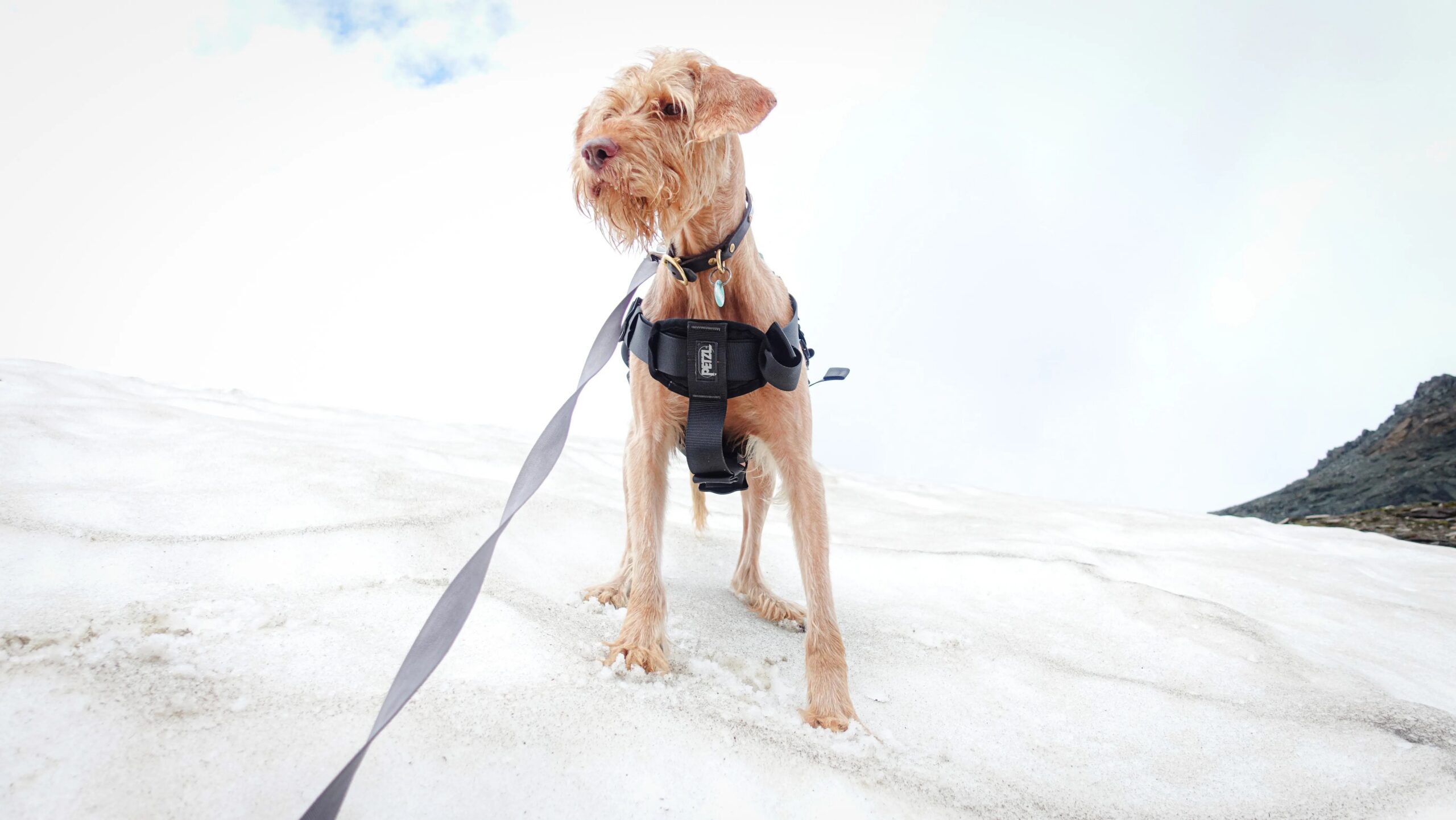
Age significantly impacts exercise needs throughout your dog’s life. Puppies under 18 months require careful exercise management to protect developing joints, while adult dogs (1-7 years) typically need the most activity. Senior dogs benefit from regular, low-impact exercise tailored to their mobility and health status.
Size also matters, though not always in obvious ways. While larger breeds often need more exercise, some small breeds like Jack Russell Terriers are incredibly energetic. Dog breed classifications help predict energy levels, but individual personality always plays a role.
Health Considerations
Your dog’s health status directly affects their exercise capacity. Dogs with arthritis, heart conditions, or hip dysplasia need modified exercise routines. Always consult with your veterinarian before establishing an exercise regimen, especially for dogs with known health issues or those showing signs of discomfort during activity.
Exercise Requirements by Breed Groups
Understanding breed group characteristics helps determine appropriate exercise levels. Sporting breeds like Golden Retrievers and Pointers typically require 60-90 minutes of vigorous exercise daily. These dogs were bred to work alongside hunters and possess incredible stamina.
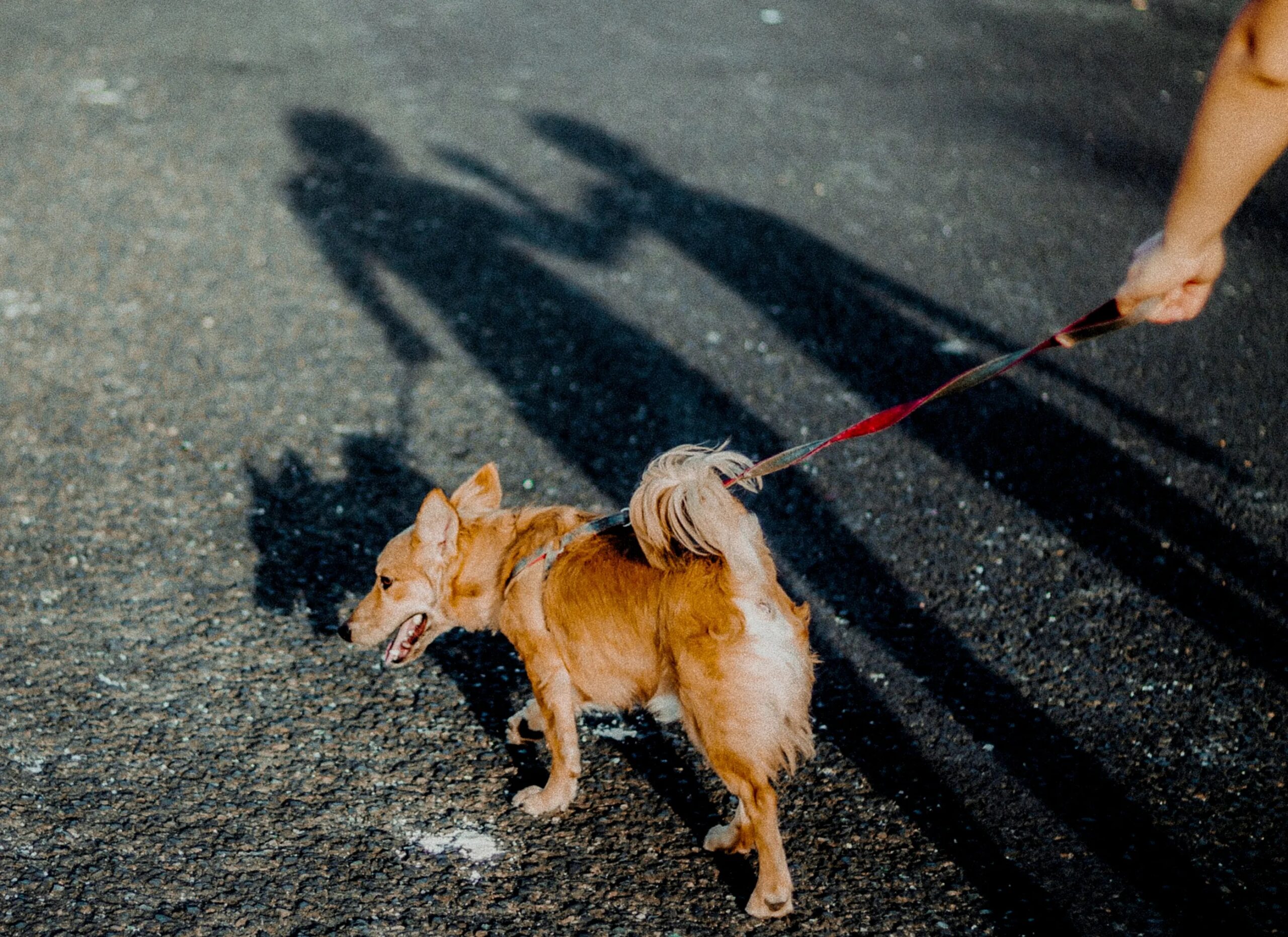
Herding breeds including Australian Shepherds and Border Collies need both physical and mental stimulation. They require 90-120 minutes of exercise daily, combining physical activity with mentally challenging tasks to prevent destructive behaviors.
Working breeds such as Siberian Huskies and Rottweilers need substantial exercise, often 60-120 minutes daily. These powerful dogs were bred for demanding physical tasks and maintain high energy levels throughout their lives.
Terrier breeds are surprisingly energetic despite their smaller size. Most terriers need 45-60 minutes of exercise daily, with activities that satisfy their hunting instincts and high energy levels.
Toy and companion breeds like Cavalier King Charles Spaniels and Pugs typically need 30-45 minutes of moderate exercise daily. While they enjoy activity, they’re generally content with shorter sessions.
Special Considerations for High-Energy Breeds
High-energy breeds require creative exercise solutions. Simple walks rarely suffice for breeds like Belgian Malinois or Australian Cattle Dogs. These dogs benefit from activities like agility training, fetch sessions, swimming, or running alongside bicycles. Without adequate exercise, these breeds often develop behavioral problems including excessive barking, destructive chewing, and anxiety.
Age-Appropriate Exercise Guidelines
Puppies require carefully managed exercise to protect developing bones and joints. The general rule suggests five minutes of exercise per month of age, twice daily. A three-month-old puppy should receive approximately 15 minutes of structured exercise twice daily, plus free play time.
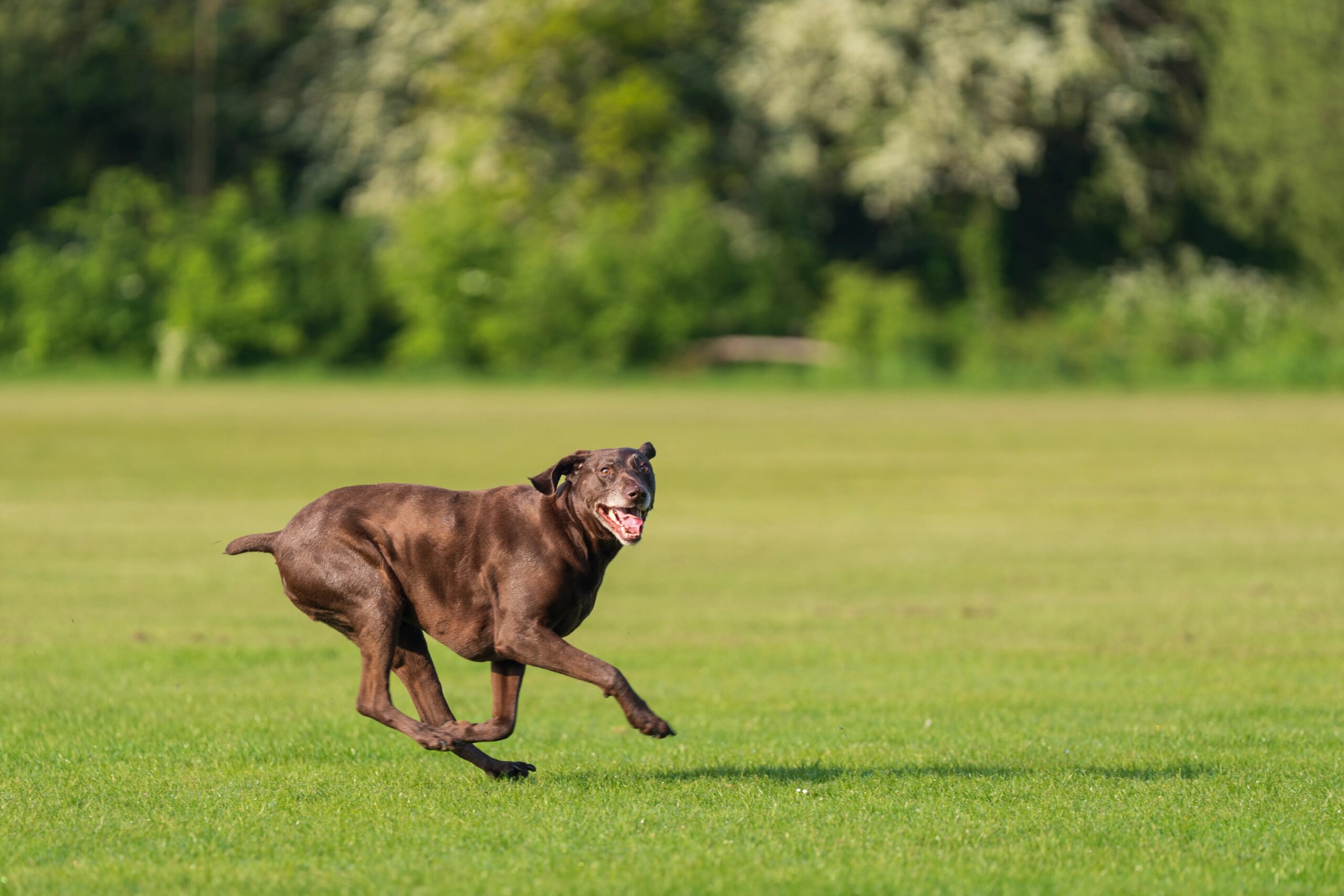
Young puppies (8-16 weeks) benefit most from socialization and gentle play. Forced exercise like long walks or jogging can damage developing joints. Focus on short, frequent play sessions and basic training.
Adolescent dogs (4-18 months) have increasing exercise needs but still require joint protection. Gradually increase exercise duration and intensity while monitoring for signs of fatigue or discomfort.
Adult dogs (1-7 years) typically handle their breed’s full exercise requirements. This is when most dogs reach peak fitness and can engage in demanding activities like hiking, running, or intensive play sessions.
Senior dogs (7+ years) need modified exercise routines focusing on maintaining mobility and muscle mass. Senior dog exercise guidelines emphasize low-impact activities like swimming, gentle walks, and mental stimulation over high-impact activities.
Types of Exercise and Their Benefits
Different exercise types provide various benefits for your dog’s physical and mental health. Cardiovascular exercise including running, swimming, and vigorous fetch sessions improves heart health, builds endurance, and helps maintain healthy weight.
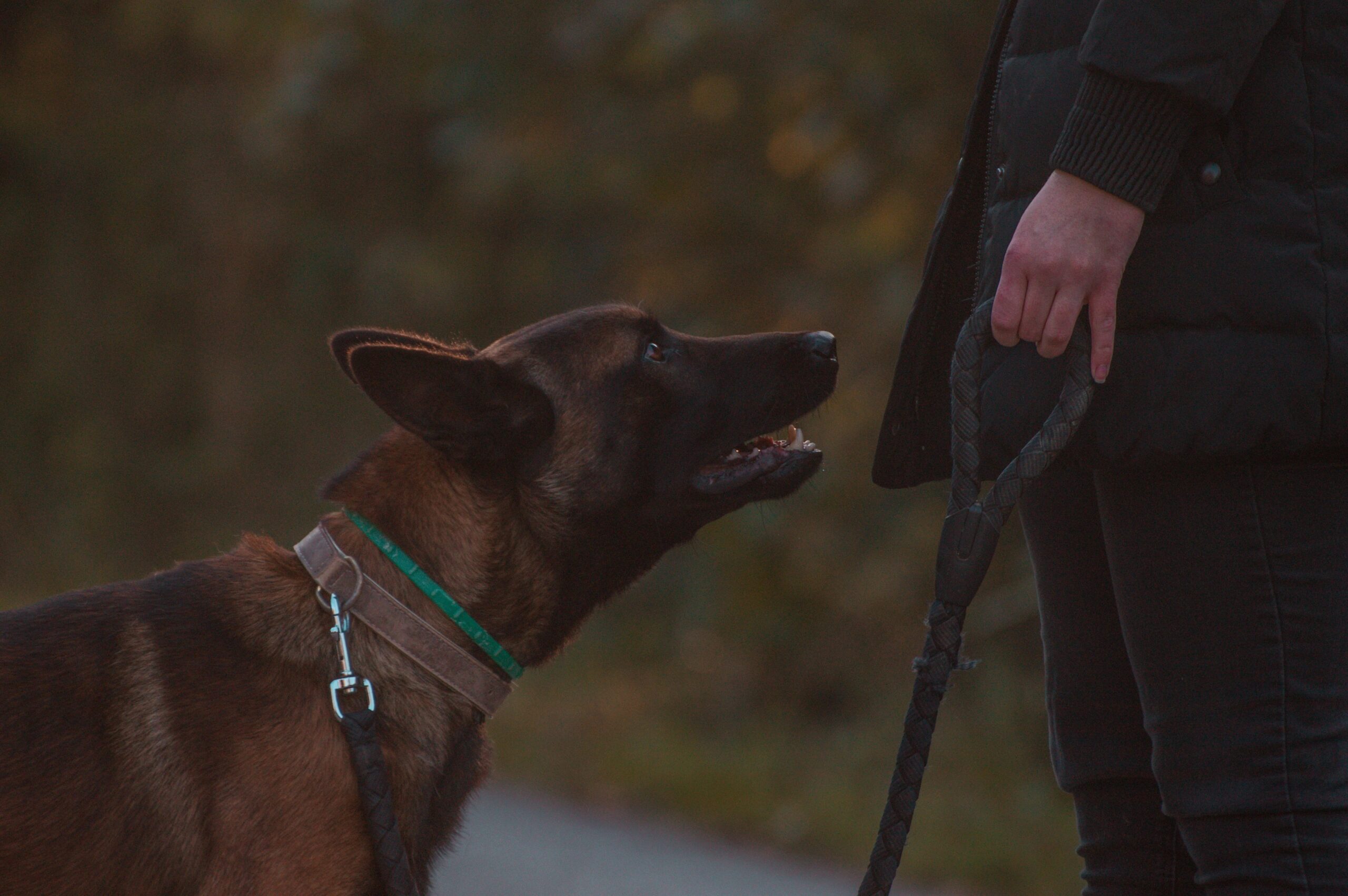
Mental stimulation through puzzle toys, training sessions, and scent work exercises your dog’s mind. Mental exercise can be as tiring as physical activity, making it essential for well-rounded fitness routines.
Strength training activities like hill walking, swimming against currents, or controlled tug-of-war games help build and maintain muscle mass, particularly important for working breeds and senior dogs.
Socialization Through Exercise
Group activities provide excellent exercise while supporting social development. Dog parks, group walks, and supervised play sessions help dogs develop proper social skills while burning energy. Professional dog daycare facilities offer structured socialization opportunities, ensuring dogs receive adequate exercise and social interaction even when owners have busy schedules.
At facilities like K9 Clubhouse in The Woodlands, dogs enjoy supervised group play, structured activities, and individualized attention that addresses their specific exercise needs. This comprehensive approach ensures dogs receive both physical exercise and mental stimulation in a safe, controlled environment.
Signs Your Dog Needs More or Less Exercise
Recognizing signs of inadequate or excessive exercise helps you adjust your dog’s routine appropriately. Signs your dog needs more exercise include destructive behavior, excessive barking, restlessness, weight gain, and attention-seeking behaviors. Dogs with insufficient exercise often develop anxiety, depression, or hyperactivity.
Signs of overexercise include excessive panting, limping, reluctance to continue activity, or extreme fatigue lasting more than an hour after exercise. Overexercised dogs may show decreased appetite, excessive water consumption, or behavioral changes.
Monitor your dog’s behavior and physical condition regularly. Well-exercised dogs are typically calm indoors, maintain healthy weight, sleep well, and show enthusiasm for activities without becoming overly excited.
Weather Considerations
Weather conditions significantly impact safe exercise levels. During hot weather, exercise during cooler morning or evening hours, provide frequent water breaks, and watch for signs of overheating. Veterinary guidelines for pet safety emphasize the dangers of exercising in extreme temperatures.
Cold weather exercise requires different precautions. While many dogs tolerate cold well, short-coated breeds may need protective clothing. Ice and snow can damage paw pads, making booties or paw protection essential for extended outdoor activities.
Creating a Sustainable Exercise Routine
Developing a consistent, sustainable exercise routine benefits both you and your dog. Start by assessing your dog’s current fitness level and gradually increase intensity and duration. Most dogs adapt well to routine, making consistent daily exercise schedules ideal.
Morning exercise helps many dogs settle into calm behavior for the day. Evening sessions can help burn excess energy before bedtime. The key is consistency rather than intensity.
For busy professionals or families with demanding schedules, professional pet care services provide excellent solutions. Dog daycare facilities offer structured exercise programs, ensuring dogs receive adequate activity even when owners cannot provide it personally.
Consider incorporating exercise into daily routines through activities like walking to coffee shops, hiking local trails, or playing fetch in the backyard. Making exercise enjoyable for both you and your dog increases compliance and strengthens your bond.
When Professional Help Makes Sense
Professional pet care services become invaluable when your dog’s exercise needs exceed what you can reasonably provide. High-energy breeds, working professionals with long hours, and multiple-dog households often benefit from professional daycare, training, or boarding services.
Quality facilities provide structured exercise programs, socialization opportunities, and professional supervision that ensures dogs receive appropriate activity levels safely. This is particularly beneficial for puppies learning social skills, senior dogs needing gentle exercise, or high-energy breeds requiring intensive activity.
Professional services also offer peace of mind for pet owners, knowing their dogs receive expert care, appropriate exercise, and emergency response if needed. The investment in professional care often prevents behavioral problems and health issues associated with inadequate exercise.
Understanding how much exercise your dog needs daily is fundamental to responsible pet ownership. By considering your dog’s breed, age, health status, and individual personality, you can create an exercise routine that promotes physical health, mental well-being, and behavioral stability. Whether through personal activities, professional daycare services, or combination approaches, ensuring your dog receives adequate daily exercise is an investment in their long-term health and happiness. Remember that exercise needs evolve throughout your dog’s life, requiring ongoing assessment and adjustment to maintain optimal wellness.
Leave a Reply